
How Many Kilometers Can You Drive Before an Oil Change?
Before you get behind the wheel, it’s important to understand how long you can safely drive before your car needs an oil change. Many drivers rely on dealership suggestions, while others follow general guidelines. Below, we break down everything you need to know about oil changes and how often your vehicle truly needs one.
What Is an Oil Change?
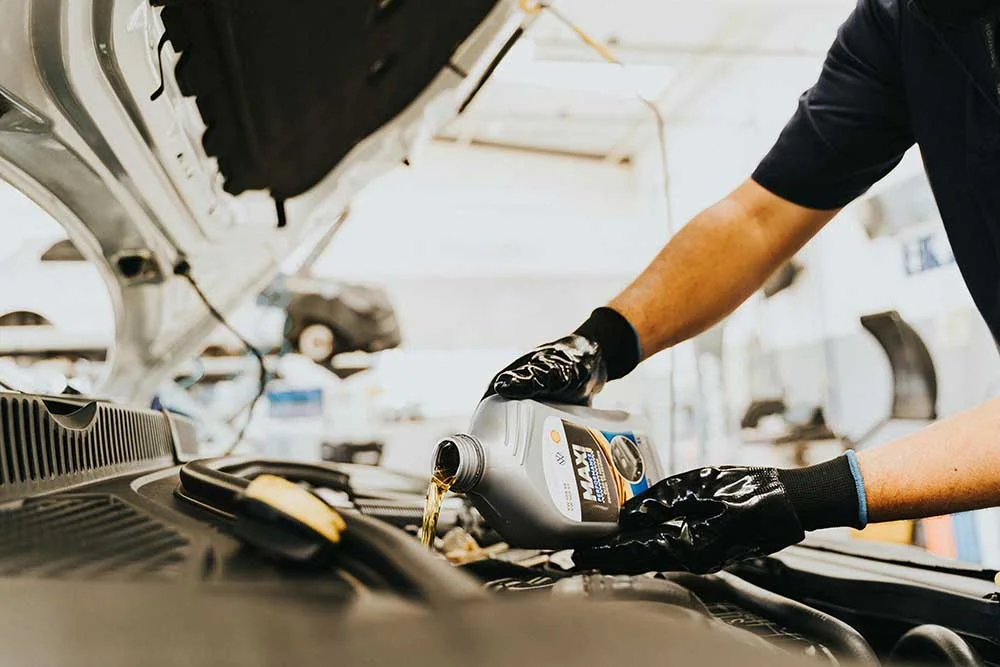
An oil change is a basic but essential maintenance service for your vehicle. It involves draining the old engine oil and replacing it with fresh oil to ensure proper lubrication of engine components.
Oil changes should typically be done every 3,000 miles (about 5,000 km) or once a year, whichever comes first. Signs you may need one sooner include:
- Increased engine noise
- Reduced performance
- Noticeable overheating
Why Does Your Car Need an Oil Change?
Your engine relies on oil to:
- Lubricate internal moving parts
- Prevent metal-on-metal friction
- Keep the engine running smoothly
- Maintain fuel efficiency
- Reduce wear and tear
Skipping oil changes can lead to reduced performance, overheating, poor fuel economy, and long-term engine damage.
Most modern cars recommend an oil change every 7,500 miles (about 12,000 km) or every three years, depending on the manufacturer.
How Long Can You Drive Without Changing the Oil?
Many people assume they must change their oil every 5,000 miles (8,000 km), but this isn’t always accurate. An oil change is needed only when the oil is degraded and the engine shows signs of stress.
You may need a change if:
- The engine sounds louder than usual
- The engine feels hotter after short drives
- You notice vibrations or sluggish performance
In such cases, replacing the oil and filters is necessary.
How Often Should You Change Your Car’s Oil?
The general recommendation is still every 3,000 miles (5,000 km) for older cars or conventional oil.
For newer vehicles using synthetic oil, intervals can be 7,500 to 10,000 miles (12,000–16,000 km), depending on the brand.
Regular oil changes:
- Keep your engine healthy
- Extend your vehicle’s lifespan
- Prevent serious mechanical issues
Can You Drive Your Car When an Oil Change Is Due?
Whether you can continue driving depends on the type of oil you use:
- Synthetic oil: You can usually drive short distances even when the oil change is due, but it’s better to service it soon.
- Regular oil: Avoid driving until the oil change is completed, as it may cause engine strain.
Always refer to your owner’s manual for brand-specific instructions.
Should You Change Your Oil Every Three Months?
Yes if you drive frequently or in harsh conditions. Changing your oil every three months ensures your engine stays clean, lubricated, and protected from damage.
Frequent short trips, stop-and-go driving, or extreme heat can accelerate oil breakdown.
Check Your Oil Level Regularly
Your owner’s manual tells you exactly when your car needs an oil change, but you should also:
- Monitor oil levels monthly
- Schedule regular tune-ups
- Avoid aggressive driving, as it increases engine wear
Routine checks help keep your engine running efficiently and prolong its life.
What to Expect After an Oil Change
Once the oil is replaced:
- Oil pressure should increase
- The engine should run smoother and quieter
- Smoke or burning smells should disappear (except in diesel vehicles)
These improvements may take around 10 minutes to become noticeable. Don’t panic if the engine doesn’t feel different right away.
Common Problems After an Oil Change
Even though oil changes are simple, issues can still occur:
1. Contaminated Oil
Dirt or debris can get into the oil, causing rough engine performance or shutdowns.
If you frequently drive on gravel or dusty roads, get your engine checked more often.
2. Thick or “Gummy” Old Oil
Old oil becomes sludge-like and affects oil flow. This may cause:
- Hard starting
- Rough idling
- Higher emissions
- Poor performance
If you notice these symptoms, you may need another oil change or a system flush.

